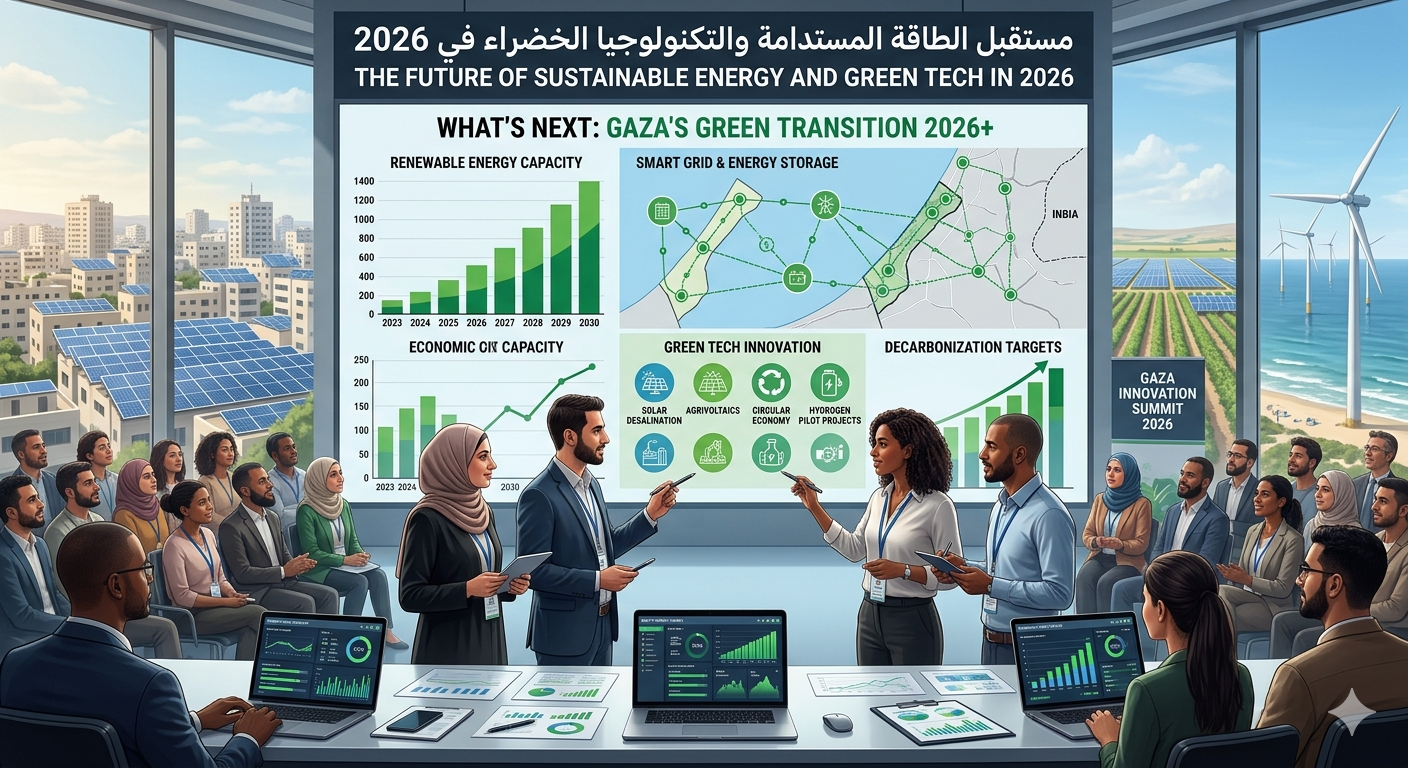
By 2026, the future of sustainable energy and green tech will no longer be a distant promise—it will be a visible, operational reality. From smart grids to next-gen solar panels and AI-driven energy management, breakthroughs are accelerating faster than ever. As climate urgency grows and governments tighten emissions regulations, 2026 marks a pivotal year when green technology transitions from innovation to infrastructure.
This article dives deep into the key trends, technologies, and market shifts shaping the sustainable energy landscape in 2026. Whether you’re an investor, policymaker, or eco-conscious consumer, understanding these developments is essential to staying ahead.
Breakthrough Technologies Leading the 2026 Green Revolution
1. Perovskite Solar Cells: The Game-Changer in Photovoltaics
Perovskite solar cells are set to dominate the solar market by 2026. These lightweight, flexible, and highly efficient panels outperform traditional silicon cells in low-light conditions and can be manufactured at a fraction of the cost. Major manufacturers like Oxford PV and Saule Technologies are already scaling production, with commercial rooftop installations expected to surge.
Imagine solar windows in skyscrapers or solar-integrated car roofs—this isn’t sci-fi anymore. Perovskite’s versatility enables integration into building materials, vehicles, and even wearable tech, expanding the reach of renewable energy like never before.
2. Green Hydrogen: Fueling Heavy Industry and Transport
Green hydrogen, produced using renewable electricity to split water molecules, is emerging as a cornerstone for decarbonizing sectors that are hard to electrify—like steel, shipping, and aviation. By 2026, countries like Germany, Australia, and Japan will have operational green hydrogen hubs, supported by $100+ billion in global investments.
- Hydrogen-powered trucks and trains will begin replacing diesel fleets in Europe and North America.
- Industrial plants will use green hydrogen to reduce carbon emissions by up to 90%.
- Portable hydrogen fuel cells will power remote data centers and emergency systems.
3. AI-Optimized Energy Grids and Smart Storage
Artificial intelligence is revolutionizing how energy is distributed and stored. In 2026, AI-powered smart grids will predict energy demand in real time, balance loads across regions, and integrate decentralized sources like home solar and EV batteries.
Battery technology is also advancing rapidly. Solid-state batteries—safer, faster-charging, and longer-lasting—will begin mass production, enabling electric vehicles with 800+ mile ranges and grid-scale storage systems that last 20+ years.
Policy and Investment Trends Accelerating Adoption
Global Climate Commitments Driving Innovation
The Paris Agreement’s 2030 targets are pushing nations to fast-track green tech deployment. By 2026, over 60 countries will have enacted net-zero legislation, with carbon pricing mechanisms in place in major economies.
The U.S. Inflation Reduction Act and the EU’s Green Deal Industrial Plan are funneling billions into domestic clean energy manufacturing. This not only reduces reliance on imports but also creates millions of green jobs in solar, wind, and battery sectors.
Table of Contents
- Breakthrough Technologies Leading the 2026 Green Revolution
- 1. Perovskite Solar Cells: The Game-Changer in Photovoltaics
- 2. Green Hydrogen: Fueling Heavy Industry and Transport
- 3. AI-Optimized Energy Grids and Smart Storage
- Policy and Investment Trends Accelerating Adoption
- Global Climate Commitments Driving Innovation
- Table of Contents
- Rise of Green Financing and ESG Investing
- Challenges on the Path to 2026
- Key Takeaways: What to Expect in 2026
- FAQ: Your Questions About Sustainable Energy in 2026
- Will renewable energy be cheaper than fossil fuels by 2026?
- Can green tech really replace oil and gas?
- How can individuals contribute to the green energy shift?
Rise of Green Financing and ESG Investing
Sustainable finance is booming. Green bonds, climate funds, and ESG (Environmental, Social, Governance) portfolios now manage over $40 trillion globally. In 2026, expect stricter ESG reporting standards, making transparency a competitive advantage for companies.
Startups in carbon capture, vertical farming, and ocean-based renewable energy are attracting record venture capital. Investors are no longer just funding tech—they’re betting on systemic change.
Challenges on the Path to 2026
Despite progress, hurdles remain. Supply chain bottlenecks for rare earth minerals, regulatory delays, and public resistance to large-scale projects (like offshore wind farms) could slow momentum.
Energy equity is another concern. While developed nations race ahead, developing regions still lack access to reliable electricity. Bridging this gap requires not just technology, but inclusive policies and international cooperation.
Cybersecurity is also a growing risk. As grids become more digitized and interconnected, protecting them from cyberattacks will be critical to maintaining stability and trust.
Key Takeaways: What to Expect in 2026
- Solar efficiency will soar with perovskite and tandem cell technologies becoming mainstream.
- Green hydrogen will scale in heavy industry and transport, backed by national infrastructure plans.
- AI and IoT will optimize energy use in homes, cities, and grids, reducing waste by up to 30%.
- Solid-state batteries will redefine storage, enabling longer EV ranges and grid resilience.
- Policy and investment will converge to make sustainable energy the default choice, not the alternative.
FAQ: Your Questions About Sustainable Energy in 2026
Will renewable energy be cheaper than fossil fuels by 2026?
Yes—in most regions, solar and wind are already the cheapest sources of new electricity. By 2026, levelized costs will drop another 15–20%, making renewables economically unbeatable even without subsidies.
Can green tech really replace oil and gas?
Not entirely—but it doesn’t need to. Green tech will dominate electricity generation, transport, and heating. Oil and gas will remain in niche roles (e.g., aviation fuel, petrochemicals), but their share will shrink dramatically.
How can individuals contribute to the green energy shift?
You can install solar panels, switch to an EV, support green utilities, and advocate for climate policies. Even small actions, when multiplied, drive systemic change.
The future of sustainable energy and green tech in 2026 is not just about innovation—it’s about transformation. With the right mix of technology, policy, and public engagement, we’re on track to build a cleaner, smarter, and more resilient energy system for generations to come.